Carolina Wren
Thryothorus ludovicianus
Family Troglodytidae
Quick answer
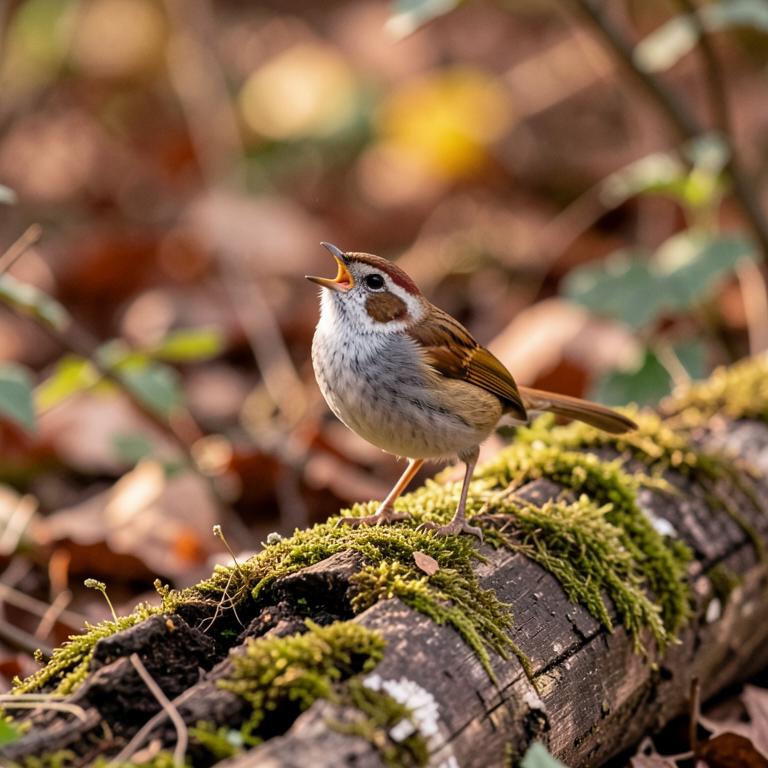
A rich rusty-brown wren with a bold white eyebrow and a voice far larger than its body. Common in brushy gardens and woodland tangles of the southeastern United States.
Quick facts
- Size
- Small, roughly 12–14 cm
- Habitat
- Brushy yards, woodland understorey, tangles, log piles, porches
- Range
- Southeastern and eastern United States, expanding north in mild decades
- Diet
- Insects and spiders; occasionally seeds and suet in winter
- When to look
- Year-round resident; sings in every month
- Family
- Troglodytidae
Identification
- Warm rusty-brown above, buff below
- Long, bold white eyebrow stripe
- Slightly downcurved bill
- Tail often cocked upright
Behaviour
Explores low cover restlessly, nesting in almost any cavity including boots, mailboxes and hanging baskets. The ringing 'tea-kettle tea-kettle tea-kettle' song is one of the loudest sounds in a southern garden.
Similar species
- House Wren
- Greyer, plainer, faint eyebrow, and a bubbling rather than ringing song.
- Bewick's Wren
- Greyer above with a long white-edged tail it flicks side to side.
Birding tips
- Leave brush piles — they are the single best way to hold wrens in a garden
- Learn the song; you'll hear ten for every one you see
Frequently asked questions
Do Carolina Wrens migrate?
No. They are resident, which makes them vulnerable to severe winters at the northern edge of their range.
Why is one nesting in my garage?
They are famously indiscriminate cavity nesters. If you can leave the door ajar for two weeks, the young usually fledge quickly.
Have you seen this bird?
Record the sighting and it joins your life list.
Species information here is written by us. Your sightings, photos and notes stay yours, in your own journal.
More birds